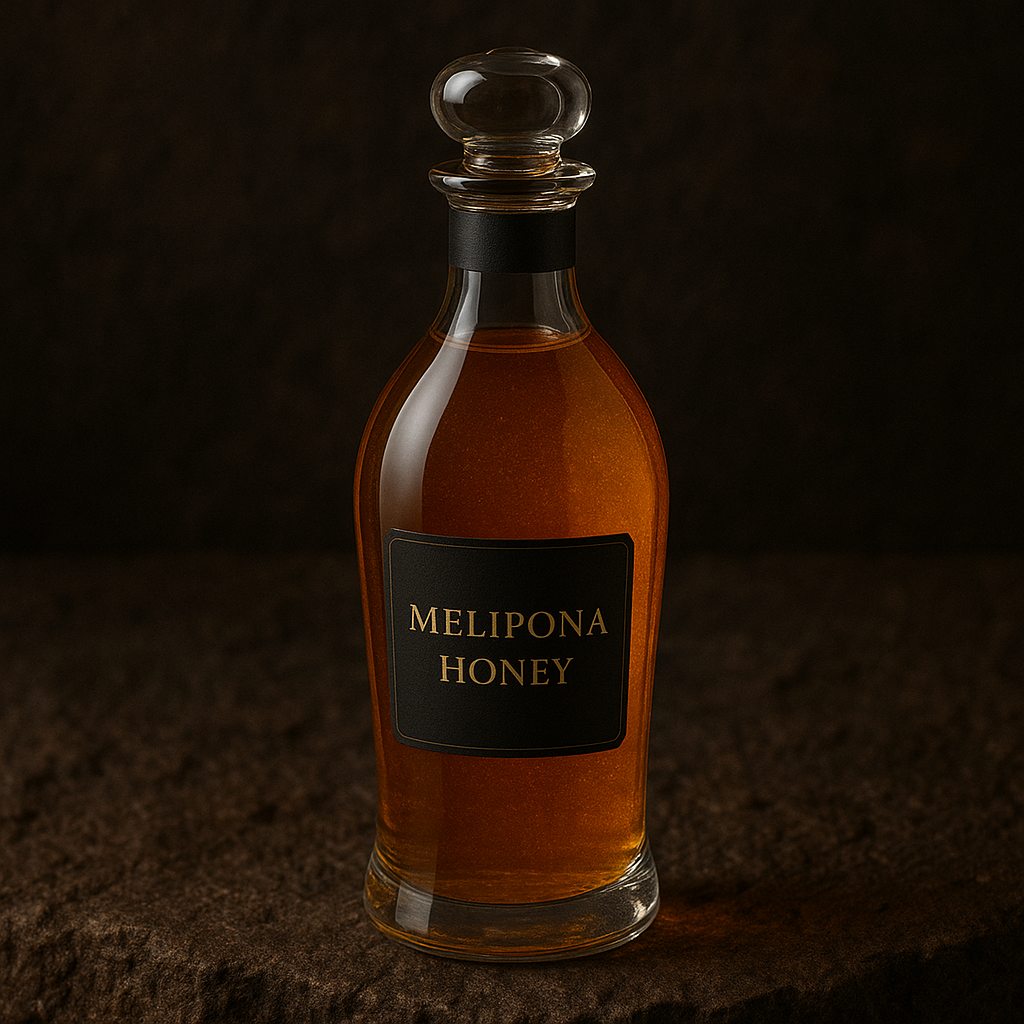
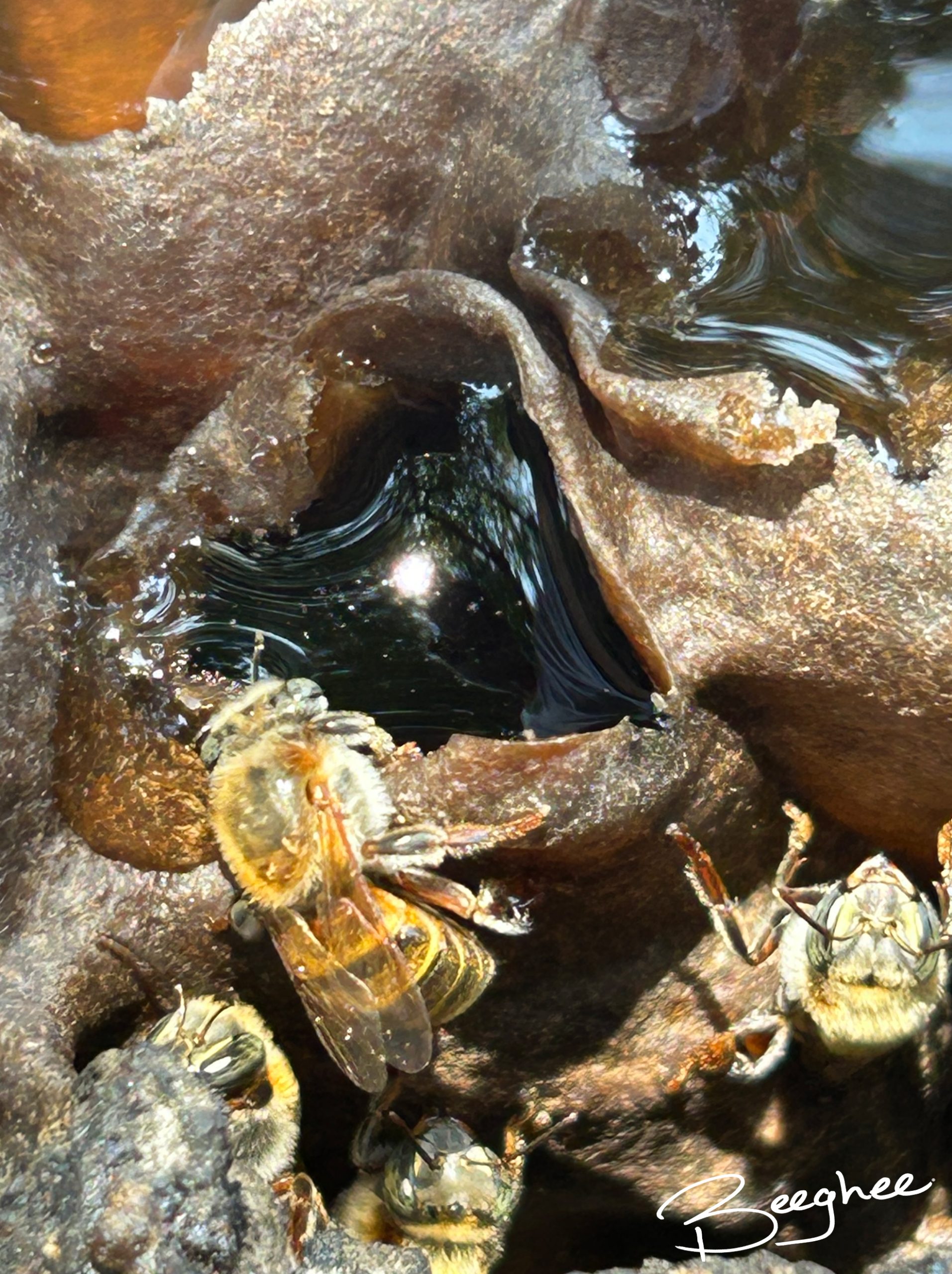
In Mayan culture, the stingless Melipona bees are considered sacred, and their honey is still used in ceremonies and traditional healing.
What Is Melipona Honey?
Melipona honey is one of the rarest honeys in the world – a living, hive-fermented treasure made by stingless bees native to Mexico and Central America.
Known for its tangy taste, silky texture, and deep cultural heritage, this honey has been revered for centuries by the Maya as both food and medicine.
Origin & Heritage
Melipona bees (Melipona beecheii and related species) are stingless bees found across Mesoamerica and parts of South America. Unlike the familiar honeybee (Apis mellifera), Melipona produce very small amounts of honey each year.
Stored in Honeypots, Not Honeycomb
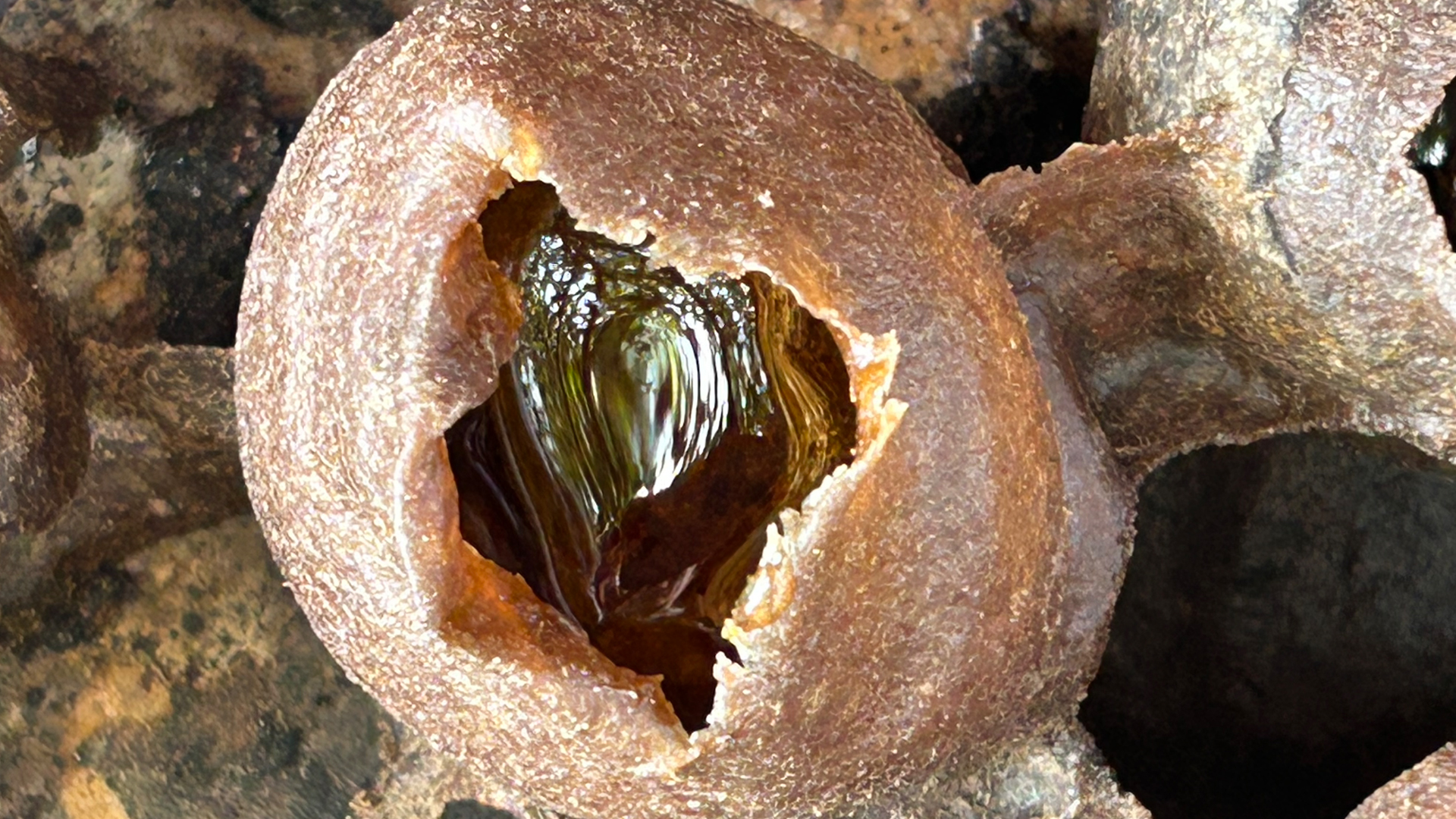
Instead of building neat hexagonal combs, Melipona bees create cerumen honeypots – small round structures made from wax and plant resins (propolis).
Because Melipona honey naturally contains more water than Apis honey, it doesn’t crystallize the same way. The higher moisture allows gentle fermentation inside the honeypots, giving the honey its unique tangy, wine-like flavor and bioactive complexity.
Read more about the rarest honeys you’ve never (yet) tasted – Melipona & Trigona Pot Honey >>
Naturally Fermented Honey
Melipona honey is sometimes called “fermented honey” because the higher moisture content and native microbes inside the honeypots continue working after storage.
This natural hive fermentation increases the honey’s acidity and enriches it with probiotic and organic compounds that set it apart from regular honey.
STINGLESS BEE HONEY NUTRITIONAL PROFILE
Research shows that Melipona honey is:
- Rich in organic acids and phenolics, contributing to its antioxidant power.
- A natural source of amino acids and B-vitamins that fuel energy metabolism.
- Infused with propolis compounds from the resin pots, adding antimicrobial and anti-inflammatory properties.
- Alive with ferment-derived probiotics and enzymes that support digestion and gut health.
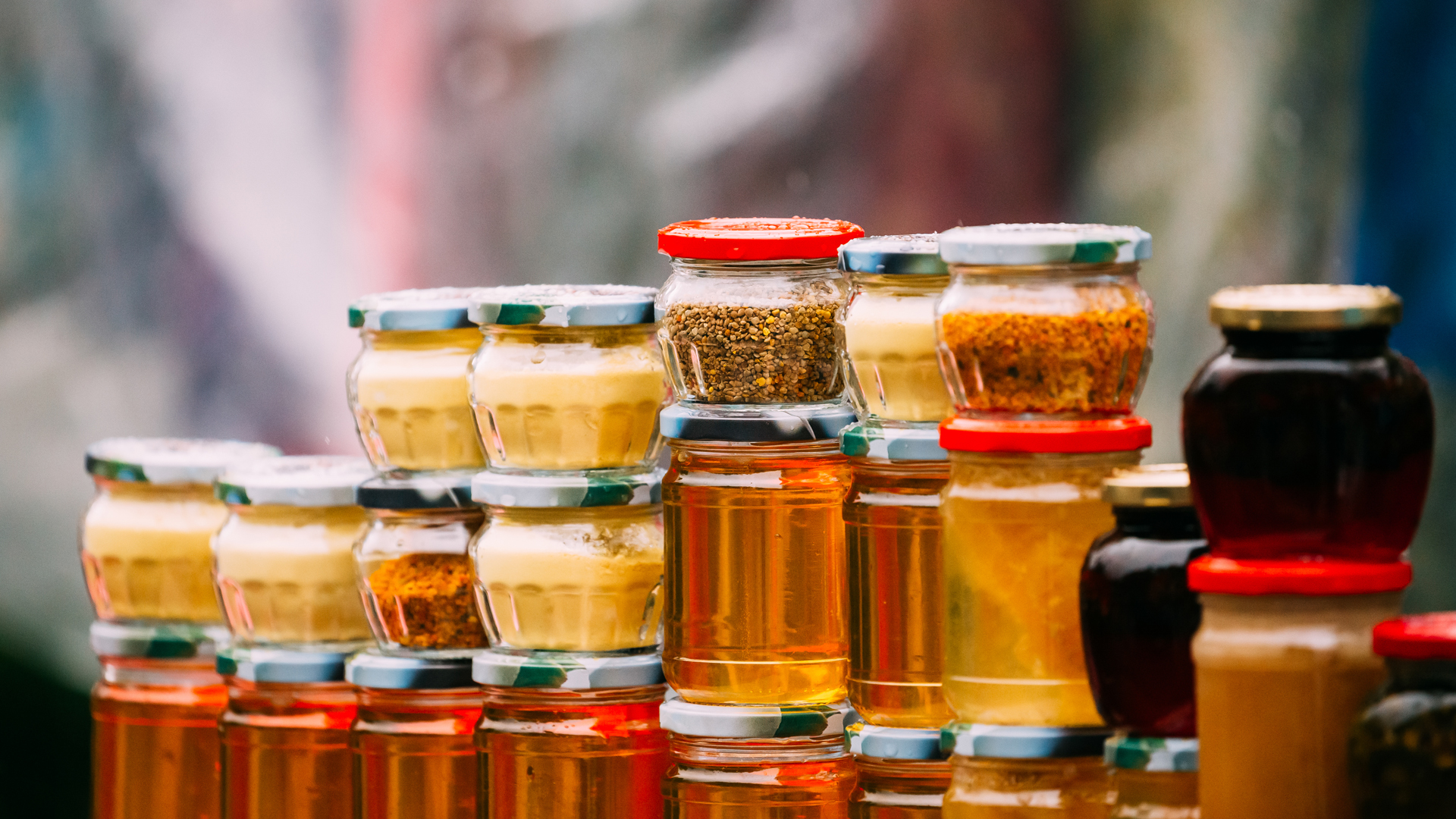
HOW MELIPONA COMPARES TO FAMOUS HONEYS
- Mānuka (New Zealand): celebrated for methylglyoxal (MGO) content, thick and medicinal
- Sidr (Middle East): thick, floral, mineral-rich
- Jamun (India): dark, fruity, low glycemic index
- Melipona (Mexico): light to dark in color, tangy, naturally fermented, probiotic-rich
Each has unique bioactive qualities, but Melipona is in a category of its own because of its natural hive fermentation and ancient cultural roots.
Why So Rare?
Melipona colonies produce only a fraction of the honey that European honeybees do. A hive might yield less than a liter per year – making it a precious resource for indigenous communities and meliponiculture keepers. Supporting Melipona honey means supporting biodiversity and centuries-old traditions.
Taste & How to Enjoy
Melipona honey is more liquid than regular honey, with notes ranging from citrus-bright to deep, balsamic tang depending on the flowers and region.
Ways to savor it:
- Enjoy a spoonful neat to appreciate the complex fermentation notes
- Drizzle on fresh fruit or cheese
- Stir into warm herbal tea
When you taste Melipona honey, you’re not just enjoying sweetness – you’re tasting an element of ancient, living food heritage.
Perfected by nature. Fermented by bees. Awakened for humans.