It’s been a tough couple of years for the insect industry, which is where one of Beeghee’s founders spent much of the past decade…so it hits close to home.
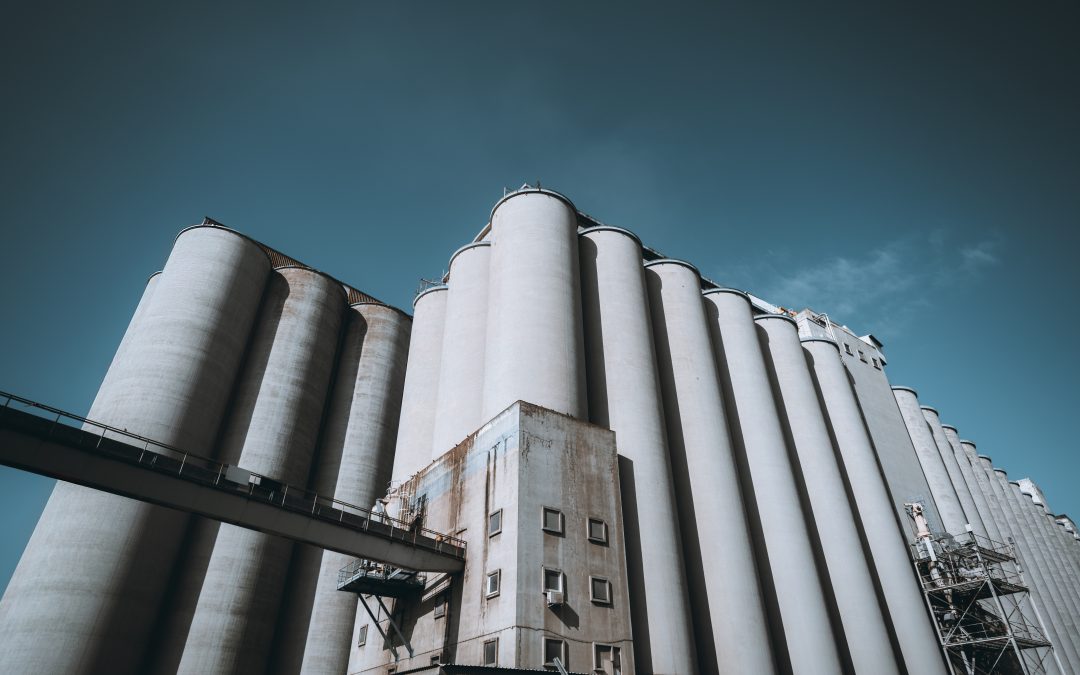
Aspire Food Group’s high-profile cricket facility in Ontario, Ynsect’s $500M mealworm farm bankruptcy in France, and InnovaFeed’s halted Illinois black soldier fly larvae (BSFL) project all reveal the same underlying flaw: they tried to outsmart nature.
Billions in venture capital flooded into climate-controlled warehouses designed to industrialize what nature already does perfectly with ambient temperatures and local labor, turning waste into nutrition.
But insects don’t thrive under humid fluorescent lights any more than a coffee tree would flourish in a Canadian greenhouse. They evolved for other climates where heat, humidity, microbes, and light cycles are part of their biology…not design flaws to be engineered away.
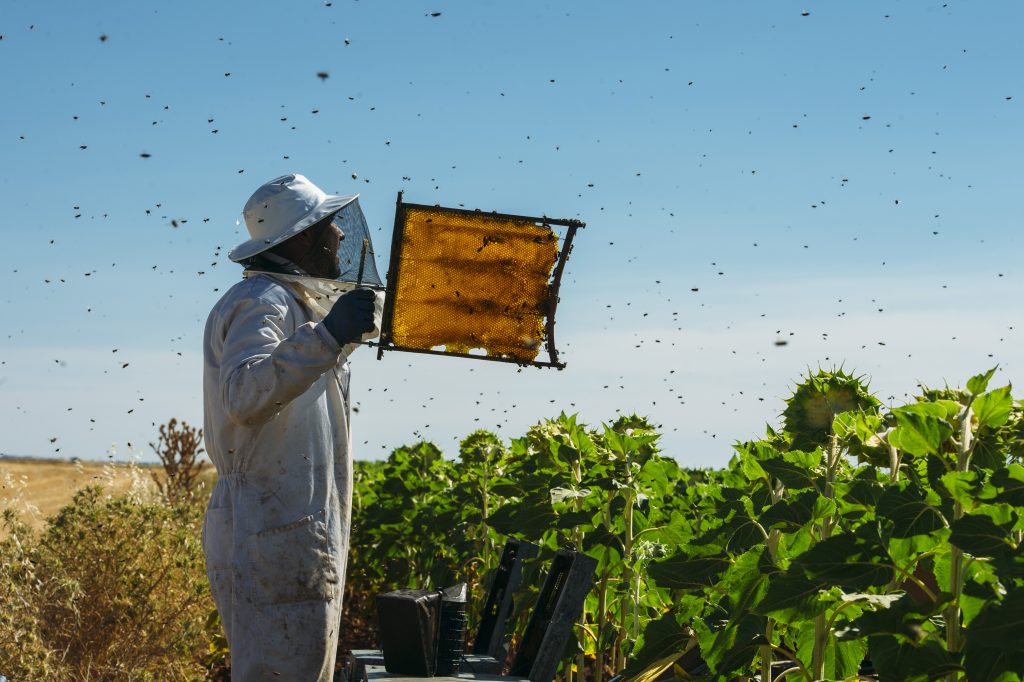
Insects – like honeybees – remind us that you cannot scale life by ignoring its rhythm.
Chasing “Local” at Any Cost
At the same time, consumers in places like Europe, Canada, and the U.S. have been taught to demand “Made in ___” labels. It’s become a moral checkbox – a symbol of patriotism, sustainability, and ethical consumption.
But here’s the uncomfortable truth: in most cases, it’s a lie.
The FDA, CFIA, and EU labeling laws allow companies to claim a product is “made in” a country even if most of its ingredients are imported, as long as “substantial transformation” -essentially, final packaging or blending- happens locally. It’s a marketing illusion, not a measure of purity or authenticity.
Big companies understand this game. They import cheap bulk materials, process or bottle them domestically, and sell the illusion of local virtue to consumers eager to “do the right thing.”
The Forgotten Wisdom of Seasonal Eating

Our ancestors didn’t need “local” labels because everything they ate was local…and seasonal. When you eat what grows naturally around you, your body aligns with the climate and microbial environment you live in.
There’s growing research showing that seasonal eating supports gut health, hormonal balance, and immune resilience, because it reflects the same changes happening in your ecosystem.
But that requires discipline and foresight if you want to eat those local foods year-round, which calls for drying, fermenting, canning, and storing food when it’s abundant. The Amish, Mennonites, and other traditional communities still live this way, with a relationship to food that’s rhythmic and reciprocal. Most of us, though, have traded that cycle for convenience.
Living Like Kings, Eating Like Lab Rats
A couple of centuries ago, kings and queens were the only ones who could enjoy non-native fruit in winter or meat every day. Now, the average consumer in a developed nation eats like royalty – but often with worse health.
We’ve built systems to grow strawberries under UV lights in January and engineer “meat” in tanks, all because we can’t imagine life without instant abundance. Vertical farms, synthetic proteins, and “ultra-processed nutrition” exist not out of necessity, but out of denial – denial of seasonality, soil, and the natural cycles that actually sustain health.
It’s ironic: in trying to eat “better,” modern society has disconnected from the most basic truth, that food is meant to mirror the earth, not defy it.
The “Made In” Myth: Virtue as Marketing
The phrase “Made in the USA” or “Made in France” has become a form of virtue signaling, a shortcut for trust. But those labels rarely mean what we think they do.
Olive oil “made in Italy” might come from olives grown in Tunisia. “Canadian” fish oil might originate from anchovies caught in Peru. “American” supplements are often blended from powders produced in China or India.
In the end, “Made In” is one of the biggest consumer frauds of our time – a moral badge that hides global supply chains rather than illuminating them.
Nature’s Economics Always Wins
Aspire, Ynsect, and InnovaFeed all built stunning facilities, but they forgot a simple law: biology is not optional.
Bees, flies, and microbes don’t follow corporate strategy decks. You can’t train them to thrive in sterile, climate-controlled boxes any more than you can ask a coral reef to grow in distilled water. The moment we disconnect living systems from their natural environments, we start spending exponential energy -literally and financially- to simulate what nature gives freely.
That’s why small, ambient-temperature insect and bee projects in tropical regions thrive while multi-million-dollar facilities in cold climates fail. It’s not a technology problem, it’s a humility problem.
Eat Where You Are (and Import What You Need)
Now, here’s the nuance. “Eat local” doesn’t mean cutting yourself off from the world. Some nutrients simply don’t exist in your local soil or climate. People in cold northern regions will never get the same enzymes, polyphenols, and plant diversity that tropical ecosystems offer. Likewise, equatorial diets often lack omega-3 fats that thrive in cold oceans.
That’s literally why trade exists. It’s why coffee travels north and cod travels south. The solution isn’t to pretend we can or should source everything domestically, it’s to seek transparency and balance.
Eat seasonally where you are. Ferment, can, and preserve like our grandparents did. Then fill the nutritional gaps with honest, transparent imports from regions that specialize in what your environment cannot produce.
That’s not globalism, that’s ecological wisdom.
Limited Edition Purple Pollen Wine Beeghee® Autumn 2025 Vintage | SHOP NOW
Why Beeghee® Comes from Mexico Today
Beeghee is hive-fermented™ bee bread, pollen, and raw honey – a living food born from the interaction between bees, flowers, and microbes. Our production begins in Mexico because that’s where the conditions are naturally aligned: year-round bloom cycles, wild biodiversity, and generations of small-scale beekeepers who understand the rhythm of their hives.
But Beeghee isn’t defined by a border. It’s defined by ecology.
Wherever bees gather pollen and ferment it, Beeghee can exist – it just takes on a different expression. In tropical regions, it’s more liquid, tangy, and probiotic-rich. In northern climates, production will be even more seasonal, tied to the flowering calendar, producing a thicker, deeper flavor and a different nutrient spectrum (e.g. Apis vs. Melipona, temperate pollen vs. tropical bloom).
That’s why we start where nature is abundant and uninterrupted, but plan to expand regionally through partnerships with ethical beekeepers and regenerative farms across North America. Each region’s Beeghee will reflect its terroir, like wine or honey – the flavor of place, made honestly and sustainably.
We don’t chase “Made in” labels. We follow ecosystems. The hive is our factory, and the planet is our map.
The Real Return to Nature
The failures of the industrial insect industry, the “Made In” deception, and the ultra-processed pursuit of fake virtue all point to the same lesson: we forgot that nature is not a brand to manipulate, it’s a system to live within.
Insects, bees, and microbes have no patience for human ego. They thrive when the environment is right, and falter when it’s wrong. The sooner we align with that truth, the healthier – and more honest – our food system will become.
So eat with the seasons, support transparent producers, and when you do import something, let it be for health and harmony…not simply for a label.
Perfected by nature
Fermented by bees
Awakened for humans