
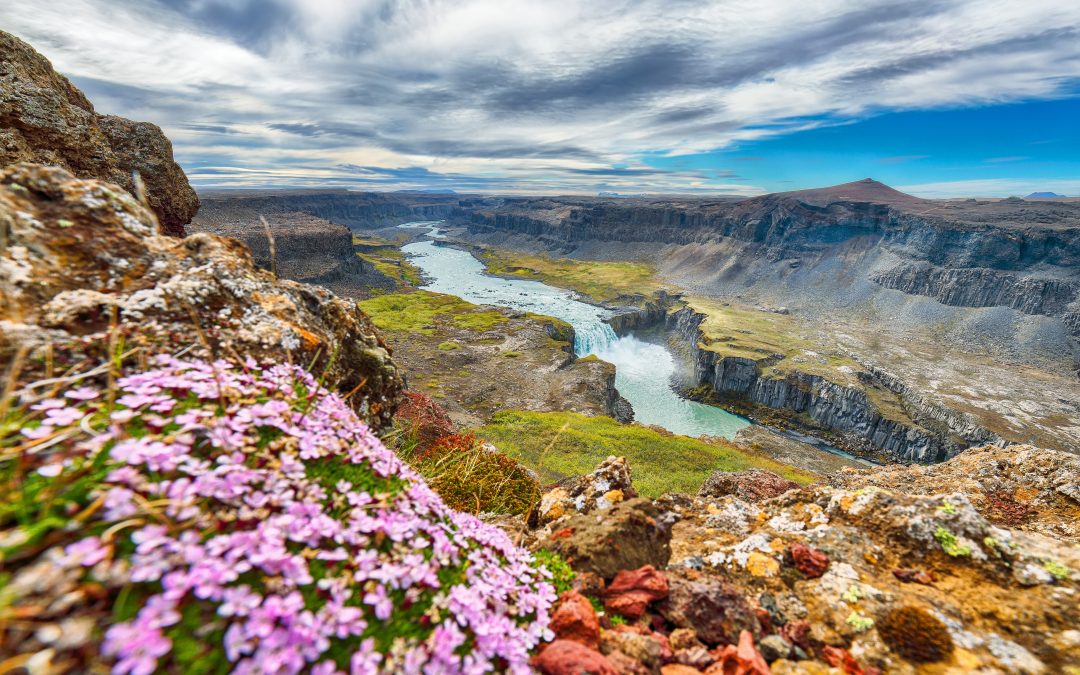
For centuries, the word terroir has been used to describe the subtle and powerful influence of soil, climate, and geography on wine. It is shorthand for “taste of place” — the idea that a grape grown in volcanic soil at high elevation expresses itself differently than the same grape in clay by the river valley. In recent years, coffee, cacao, and even sea salt have borrowed the term to communicate origin and character. But what about the foods of the hive?
Some argue that terroir shouldn’t be applied to honey, pollen, or bee bread. Bees forage over a wide radius, mix nectars from countless flowers, and add their own enzymatic alchemy before sealing it away. Doesn’t that blur the influence of soil and microclimate beyond recognition? We disagree. Just as grapes are transformed by yeast into wine, the foods of the hive are transformed by bees into something new — but still carrying the fingerprint of the land.
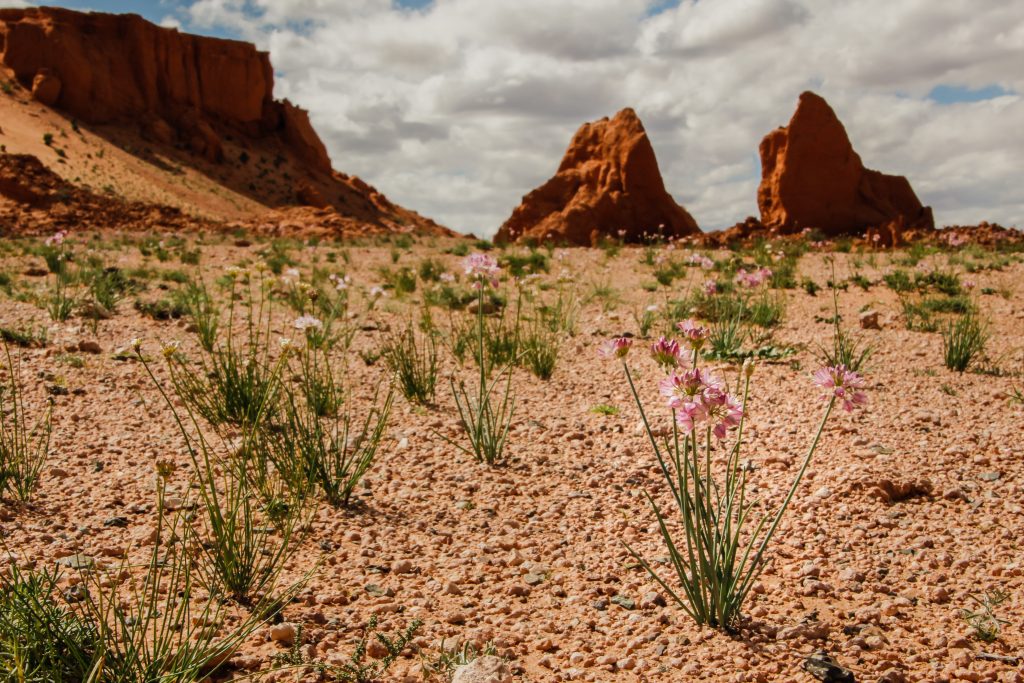 At the foundation of this fingerprint is the soil. The richness of the earth feeds the root systems of plants, which in turn determines the vitality and complexity of the flowers. The proteins, flavonoids, and minerals found in pollen are not accidental; they are direct expressions of the soil’s health.
That same richness shapes the nectar that becomes honey and the resins that become propolis. When bees collect these raw materials, they are gathering a biochemical story written by the land itself. In bee bread — and in our fermented evolution of it, Beeghee® — this story becomes even more concentrated and alive.
Still, the word terroir comes with baggage. It feels rooted in vineyards and appellations, less flexible for something as wild and dynamic as bees’ foraging grounds. That’s why we believe it’s time to extend the vocabulary. Honey, pollen, and bee bread are not just about soil alone, but about the flowering cycles of entire ecosystems.
We sometimes speak now of a florageprint — a kind of botanical fingerprint reflecting the unique mixture of blooms available to bees in a given season. Or a bloomscape — the broader seasonal landscape of flowers and microclimates that shapes what bees bring home. These are words we find beautiful because they carry both precision and poetry, helping to tell the story of hive-fermented™ superfoods in a way that terroir alone cannot.
And this is where Beeghee’s master formulators step in. We are not simply bottling honey or scooping pollen from hives. We are curating terroir, bee species, and bloomscapes into exquisite, one-of-one florageprints that define each seasonal vintage of Beeghee®.
Different honeybees — Apis mellifera, Melipona, Trigona — ferment their forage differently, leaving distinct microbial and enzymatic signatures.
Different bloomscapes — spring coffee blossoms in volcanic Veracruz, or autumn wildflowers along the Gulf — each bring their own chemistry.
By blending these forces with care, we create vintages that are unrepeatable, rooted in place, and elevated into something greater than the sum of their parts.
The beauty of honey, pollen, bee bread, and Beeghee is that they don’t just reflect soil or weather, but entire ecologies. A watershed, a forest edge, a grove of coffee blossoms at dawn — each creates a signature of place that bees carry home to the hive.
By recognizing, combining, and naming these expressions of the earth, we can finally speak about honey, pollen, bee bread, and Beeghee the way vintners speak about great wines: by vintage, by origin, by the unmistakable taste of a moment in time.
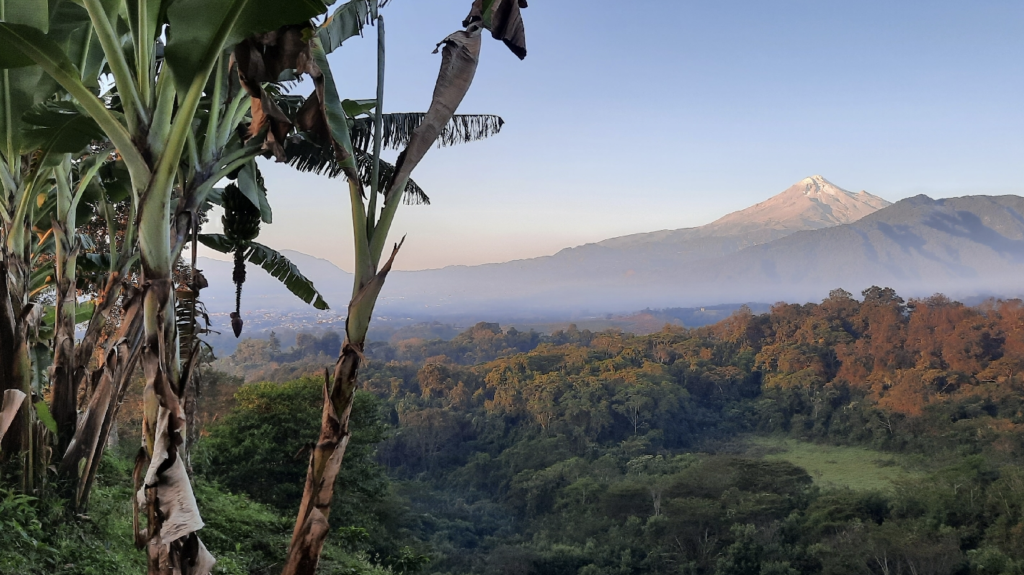
A fertile bee-friendly ecosystem in Veracruz at the base of Mexico’s tallest volcano, Pico de Orizaba, is the birthplace of Mexican coffee and Beeghee®